The Foreign Earned Revenue Exclusion Explained: A Guide to Enhancing Your Standard Reduction
The Foreign Earned Income Exemption (FEIE) is a necessary tax arrangement for U.S. people and resident aliens living abroad. It permits qualified migrants to exclude a considerable section of their foreign-earned revenue from government tax obligations. Comprehending the nuances of FEIE can lead to considerable tax savings. Nevertheless, lots of individuals forget vital information that can affect their qualification and benefits. Discovering these aspects might expose possibilities for improved tax results.
Understanding the Foreign Earned Earnings Exemption
Although several migrants seek possibilities abroad, recognizing the Foreign Earned Earnings Exclusion (FEIE) is necessary for managing their tax commitments. This stipulation permits U.S. residents and resident aliens living overseas to leave out a certain quantity of their made income from government taxes. The FEIE was established to relieve the tax obligation worry on people who stay outside the USA, acknowledging the distinct financial challenges they may deal with.
Eligibility Demands for FEIE
Exactly how to Declare the FEIE
To efficiently claim the Foreign Earned Revenue Exemption (FEIE), taxpayers should initially confirm their qualification based on certain requirements - FEIE Standard Deduction. The process involves numerous steps, including submitting the proper forms and offering necessary documentation. Recognizing these procedures and requirements is vital for optimizing tax advantages while living abroad
Qualification Needs
Eligibility for the Foreign Earned Revenue Exemption (FEIE) depends upon meeting details requirements established by the internal revenue service. To certify, individuals should be U.S. people or resident aliens who make revenue while working abroad. They need to establish an international tax home, which indicates their major area of company is outside the USA. In addition, candidates need to meet either the Authentic Residence Test or the Physical Visibility Examination. The Bona Fide Home Test requires that a taxpayer lives in an international country for an entire tax year, while the Physical Presence Examination necessitates spending a minimum of 330 complete days in an international country throughout a 12-month duration. Satisfying these requirements is vital for claiming the FEIE.
Declaring Refine Actions
How can one properly navigate the procedure of declaring the Foreign Earned Revenue Exemption (FEIE)? People must establish their eligibility based on the physical visibility test or the bona fide house examination. When validated, they ought to complete IRS Form 2555, which details foreign revenue and residency. This form should be connected to their yearly income tax return, normally Form 1040. It is vital to accurately report all international earned earnings and guarantee conformity with the IRS guidelines. Furthermore, taxpayers ought to maintain correct paperwork, such as international tax obligation returns and evidence of residency. By adhering to these actions, people can effectively declare the FEIE and potentially lower their gross income significantly, improving their overall monetary position.
Determining Your International Earned Revenue Exclusion
While lots of expatriates seek to maximize their financial benefits abroad, recognizing the computation of the Foreign Earned Revenue Exemption is important for exact tax obligation coverage. The Foreign Earned Earnings Exemption permits certifying individuals to leave out a certain quantity of their international profits from U.S. taxes, which is readjusted annually for rising cost of living. To calculate this exemption, expatriates must identify their overall foreign gained income, which generally includes incomes, wages, and professional fees gained while living in a foreign nation.
Next off, they should complete internal revenue service Form 2555, providing details regarding their foreign residency and job condition. FEIE Standard Deduction. It is essential to satisfy either the authentic house test or the physical visibility examination to get the exemption. Once these factors are developed, the maximum permitted exemption quantity is applied, minimizing the individual's gross income Resources significantly. Precise computations can lead to considerable tax cost savings for migrants living and working abroad
The Impact of FEIE on Various Other Tax Obligation Benefits
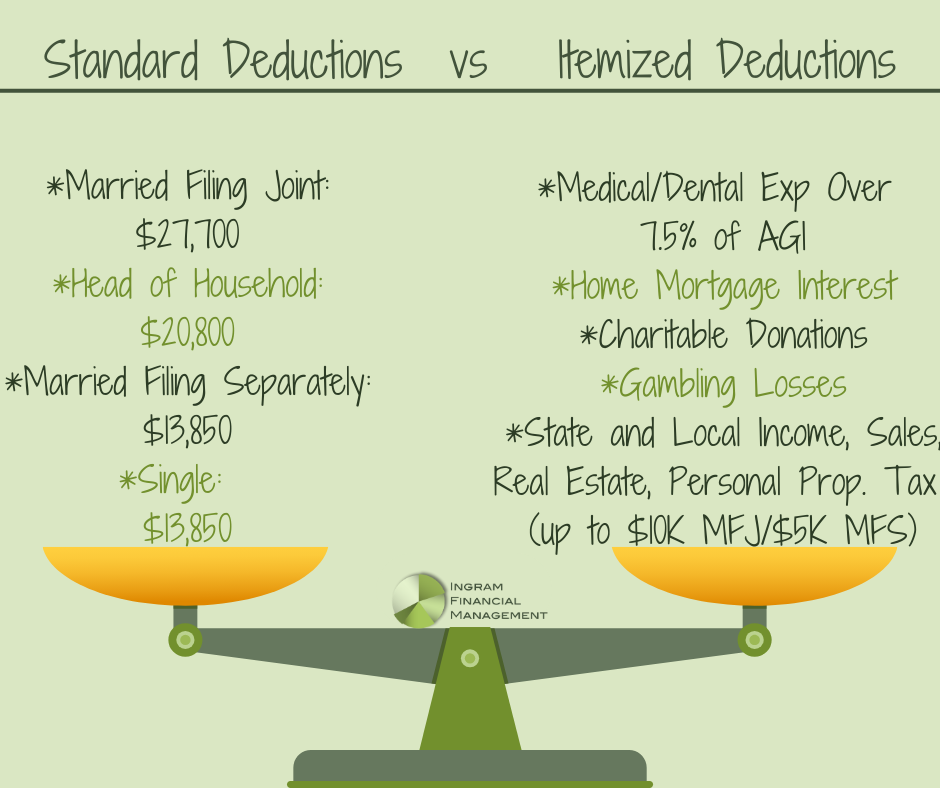
The Foreign Earned Income Exclusion (FEIE) can affect an individual's eligibility for sure tax obligation advantages, including the conventional deduction. By omitting international gained revenue, taxpayers may find their adjusted gross earnings influenced, which subsequently can impact their credentials for numerous tax debts. Understanding these interactions is important for enhancing tax results while living abroad.
Interaction With Criterion Deduction
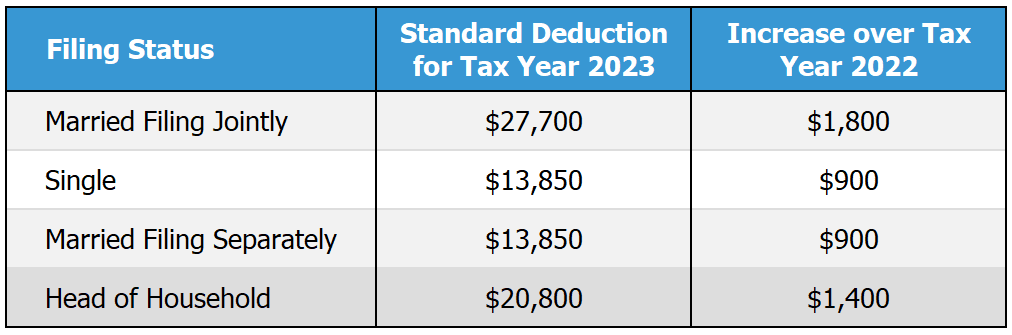
When individuals receive the Foreign Earned Income Exclusion (FEIE), their qualification for the standard deduction might be affected, possibly changing their total tax obligation responsibility. The FEIE permits taxpayers to omit a specific amount of earned income from U.S - FEIE Standard Deduction. tax, which can bring about a decreased gross income. Consequently, if the omitted earnings surpasses the standard reduction, it can reduce the advantage of declaring that reduction. In addition, taxpayers that use the FEIE may locate that their capacity to itemize reductions is likewise affected, as certain expenses might be affected by the exclusion. Recognizing this interaction is essential for migrants to optimize their tax benefits while making certain compliance with united state tax obligation legislations
Qualification for Tax Credit Scores
Guiding through the intricacies of tax obligation credit scores can be challenging for migrants, especially since the Foreign Earned Earnings Exclusion (FEIE) can substantially impact qualification for these benefits. The FEIE permits eligible people to exclude a substantial portion of their foreign revenues from U.S. taxes, but this exemption can also impact accessibility to numerous tax obligation credit reports. Taxpayers that utilize the FEIE might find themselves disqualified for credit scores like the Earned Income Tax Obligation Credit Report (EITC), as these credit scores generally need taxable earnings. In addition, the exclusion might limit the capacity to assert specific reductions or credit ratings related to dependents. Understanding the interaction in between the FEIE and readily available tax obligation debts is crucial for expatriates aiming to maximize their tax scenario.
Common Blunders to Stay Clear Of When Declaring FEIE
Commonly, expatriates encounter several challenges while claiming the Foreign Earned Earnings Exemption (FEIE), which can lead to pricey mistakes or missed possibilities. One constant mistake is falling short to fulfill the physical visibility or authentic residence test, which is essential for qualification. Additionally, expatriates commonly ignore the requirement to file Kind 2555 appropriately, causing incomplete or imprecise submissions.
Another common error entails inaccurately determining international earned income, as many do not represent all relevant revenue sources. Some expatriates incorrectly assume they can leave out all their revenue, uninformed of the restrictions on the exemption quantity. Neglecting to preserve proper paperwork, such as traveling days and residency standing, can endanger an insurance claim. Misinterpreting the effects of the FEIE on other tax obligation credit scores may lead to unintended tax liabilities. Understanding of these risks can assist in a smoother asserting process and take full advantage of potential benefits.
Resources for Expats Navigating United State Taxes
Navigating united state tax obligation commitments can be challenging for migrants, specifically after experiencing mistakes in declaring the Foreign Earned Revenue Exemption (FEIE) To assist navigate these complexities, a variety of resources are offered. The IRS website gives substantial information on tax obligation regulations, frequently asked questions, and forms particularly customized for expatriates. Additionally, organizations like the American Citizens Abroad (ACA) and the Expat Tax Professionals offer support and assistance to ensure compliance with tax legislations.
On the internet online forums and communities, such as the Expat Online forum, enable expatriates to share experiences and understandings, promoting a helpful atmosphere for those encountering comparable obstacles. Additionally, tax obligation prep work software program, like copyright and H&R Block, commonly consists of features created for expats, making the filing procedure extra straightforward. Engaging with these sources can equip expatriates to much better comprehend their tax obligation obligations and make best use of advantages like the FEIE.
Often Asked Questions
Can I Assert FEIE if I'M Freelance Abroad?
Yes, self-employed people abroad can claim the Foreign Earned Earnings Exemption (FEIE) To qualify, they need to fulfill certain needs pertaining to residency and income, ensuring they abide by internal revenue service guidelines for expatriates.

Is the FEIE Applicable to Foreign Pensions?
The Foreign Earned Revenue Exemption (FEIE) is not appropriate to international pension plans. Pensions are thought about unearned income and do not certify for the exclusion, which specifically relates to gained revenue from employment or self-employment abroad.
What Occurs if I Return to the U.S. Mid-Year?
If an individual go back to the united state mid-year, they might need to change their tax scenario. Their eligibility for sure deductions and exclusions, including the Foreign Earned Revenue Exemption, can be affected by their residency standing.
Can FEIE Be Claimed With Various Other Reductions?
Yes, basics the Foreign Earned Income Exclusion (FEIE) can be asserted together with various other reductions. Nevertheless, care must be taken to guarantee click here for more correct compliance with tax obligation laws, as particular constraints might use based on specific circumstances.
Just How Does FEIE Affect State Tax Obligation Responsibilities?
The Foreign Earned Earnings Exemption can minimize a taxpayer's federal income tax responsibility, but it does not immediately impact state tax obligations, which vary by state and may still need reporting of foreign revenue.
Numerous expatriates seek opportunities abroad, understanding the Foreign Earned Earnings Exemption (FEIE) is necessary for handling their tax commitments. By excluding international gained income, taxpayers may discover their adjusted gross revenue impacted, which in turn can impact their qualification for different tax credit scores. Guiding via the complexities of tax obligation credit scores can be testing for migrants, especially since the Foreign Earned Income Exemption (FEIE) can greatly impact qualification for these advantages. Taxpayers who use the FEIE might locate themselves ineligible for credit scores like the Earned Revenue Tax Credit Report (EITC), as these credit reports generally need taxable income. Steering United state tax obligations can be testing for expatriates, specifically after experiencing risks in asserting the Foreign Earned Income Exemption (FEIE)